Seoul: complete travel guide to South Korea's capital city
Travel guide on Seoul
Seoul: the complete tour guide
Welcome to the comprehensive travel guide to Seoul, the vibrant capital of South Korea. If you are ready for a deep dive into this city's rich culture, ancient history and futuristic modernity, you have come to the right place. This page will provide you a comprehensive overview of the city and linking you to detailed thematic resources covering every aspect of your trip.
Whether you are looking for advice on where to stay, tips on how to get around Seoul and use public transportation, information on must-see attractions or insights into the fascinating history of Seoul, this guide will take you through a virtual journey, with all the useful resources to make the most of your experience in the South Korean capital. Thanks to this guide you will know exactly what to see and do in Seoul, from top attractions to hidden gems.
Esplorate i link correlati per approfondimenti dettagliati su ogni aspetto di Seoul e preparatevi a vivere un’esperienza indimenticabile in questa città che unisce perfettamente passato e presente, e saprà rapirvi il cuore. 🙂
Each week on this page you will find new and constantly updated content.
General information about Seoul, the capital of South Korea
Before diving into specific topics, it’s useful to know some key facts about Seoul and its history.
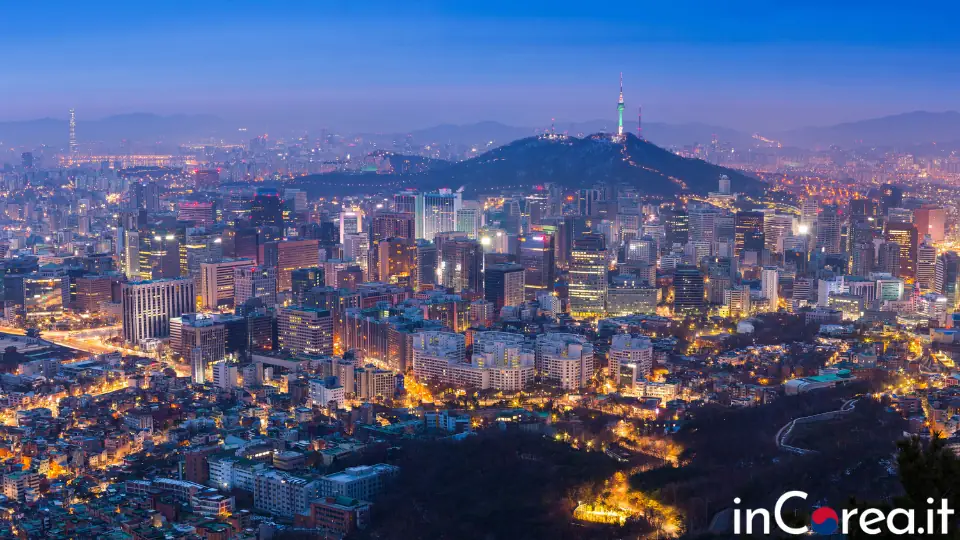
Seoul, in Korean 서울, is located in the northwest of South Korea, of which, in addition to being its capital, it is also the country’s most important city in terms of economy, culture, and society.
Population of Seoul: Seoul has a population of just under 10 million. However, if we include the Seoul metropolitan area, we arrive at about 25 million, making it the sixth most populous city in the world.
What is the history of Seoul? Initially named Wiryeseong from its founding in 18 B.C. until 475 A.D., Seoul was the capital of Baekje, before being conquered by the Goguryeo kingdom, and then by the Silla kingdom. These were the three kingdoms of Korea before unification under the Goryeo Dynasty (936-1392), when the city took the name Hanseong, which means "fortified city on the Han River," and later became the capital of the Joseon Dynasty under the name Hanyang in 1394. It retained the name Hanyang until the Japanese occupation of 1910-1945, when it was renamed Gyeongseong (Keijō in Japanese) and finally assumed its current name of Seoul after liberation in 1945. The term Seoul, derived from the archaic Korean seobeol or seorabeol, carries with it the meaning of "capital city."
Where to stay in Seoul
There are many recommended neighborhoods to stay in Seoul. The main tip is to book a hotel that is close to the central area of the city because it will allow you to spend evenings near your hotel without having to move around every time. Other neighborhoods not exactly in the center but within about 15 minutes by subway are also great options. Among the more central areas, we recommend Myeongdong or Insadong. Conversely, if you choose to stay in areas that are slightly less central but still full of life, Hongdae or Dongdaemun are good choices and are only 15 minutes away. Where to stay in Seoul will be an easy choice thanks to our dedicated guides on the best areas and hotels in Seoul.
Hongdae is one of my favorite areas to stay in Seoul. It is a vibrant university area, full of restaurants, cafés and nightlife. In the article you will find all the best hotels in Hongdae with the best value for money.
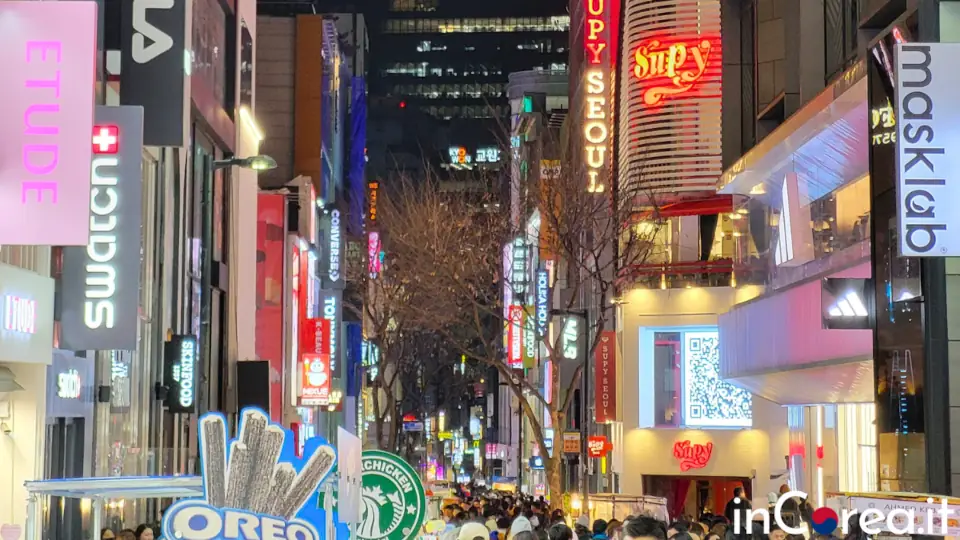
Myeongdong is Seoul's most popular neighborhood for tourists. It is a central area very close to Seoul's main attractions and full of stores and shopping malls. In this article you'll find the best hotels for all budgets.
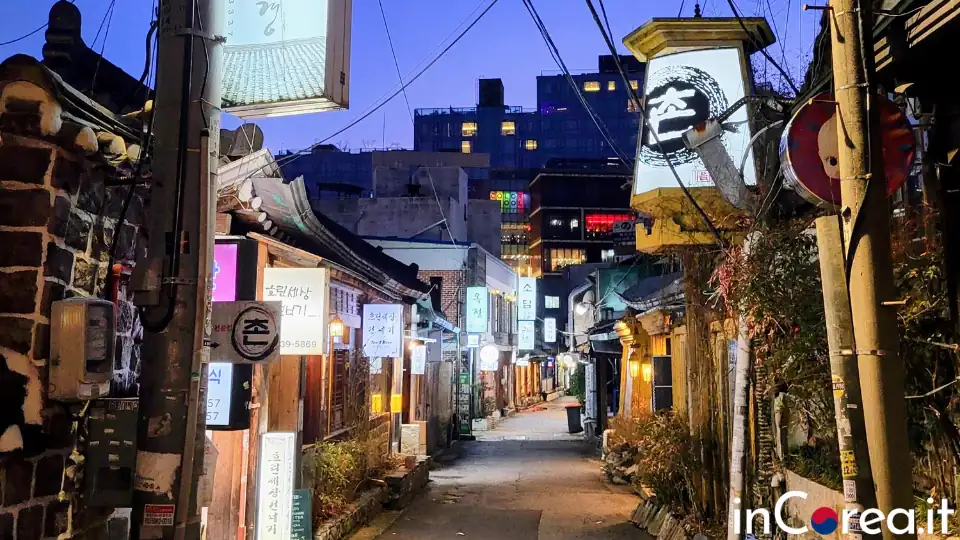
If you love to be surrounded by historic streets and traditional buildings, staying in Insadong is the right choice. Thanks to our verified selection of hotels, you'll be sure to find the one that suits your needs.
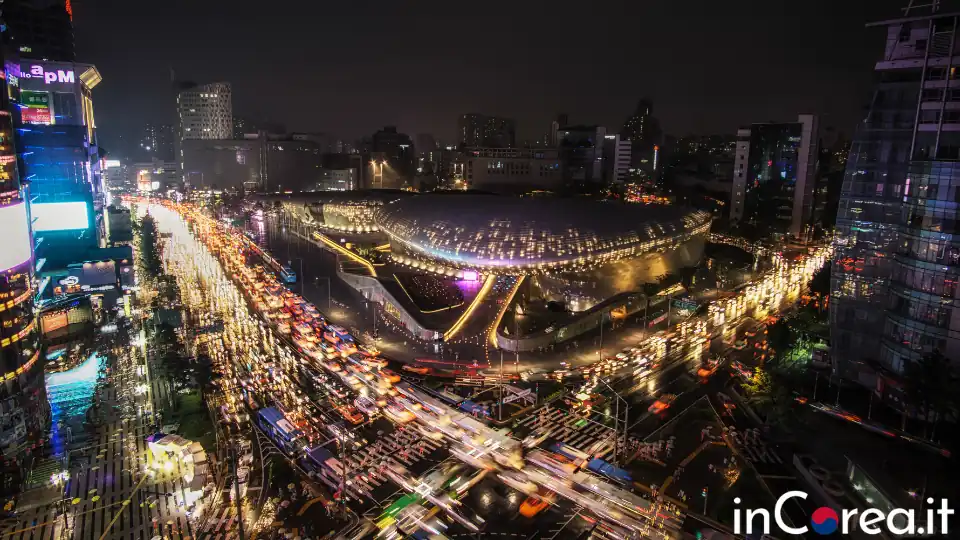
Dongdaemun is a neighborhood famous for its markets and the Dongdaemun Design Plaza. Here you will find a wide range of high-end hotels at more affordable rates than in the more central areas, but still close to downtown Seoul.
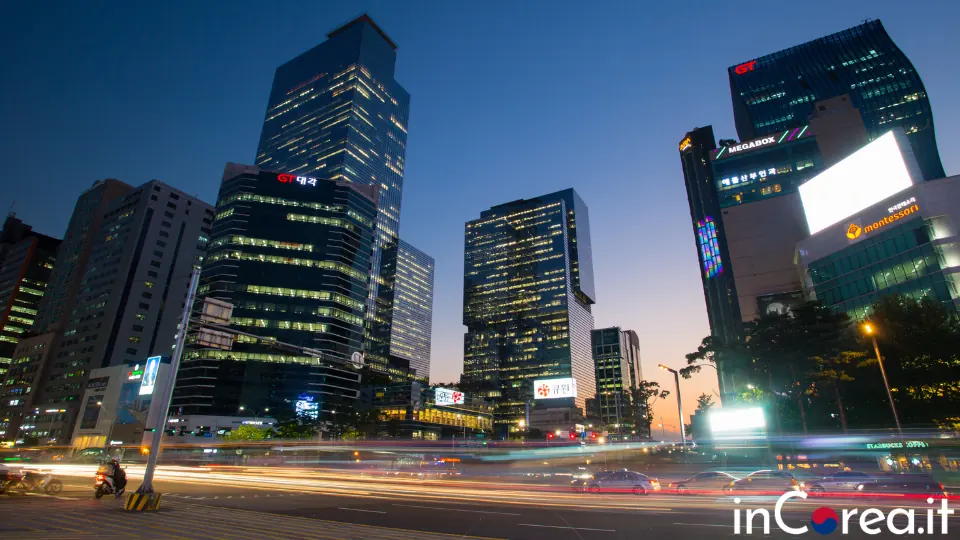
One of Seoul’s most famous districts is GangnamAlthough it is not in the city center, its fame precedes it. If you are a lover of the modern side of Korea, shopping and Korean pop culture, this is the neighborhood for you. Surprisingly, you will find budget and four-star hotels here at at surprisingly affordable rates.
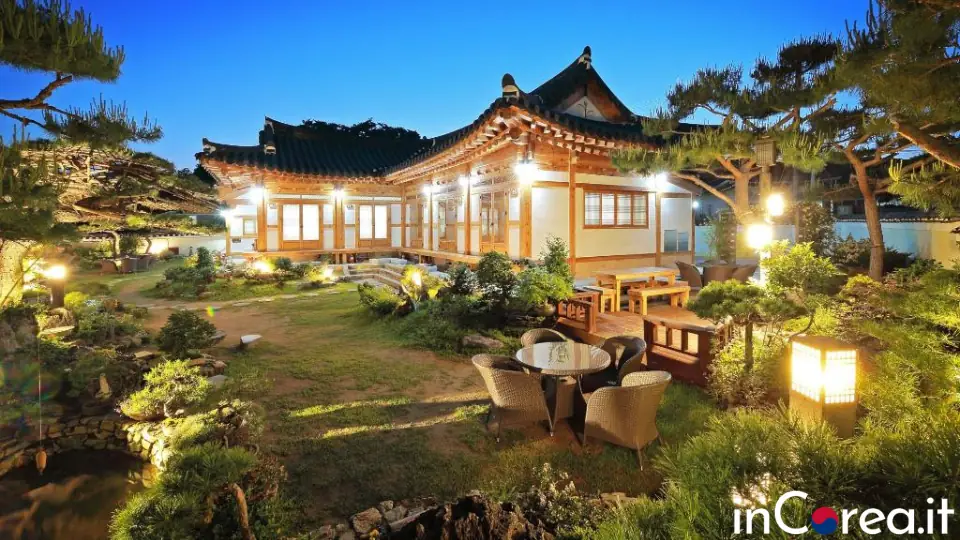
Would you like to sleep in a hanok in Seoul? Discover the best options for value, from budget-friendly stays to luxurious traditional houses.
What to see in Seoul
I always say that even a whole month in Seoul wouldn’t be enough to experience everything. There are countless attractions to see in Seoul, with attractions to suit every type of traveler. Ancient royal palaces such as Gyeongbokgung, Changdeokgung with its Biwon (Secret Garden), Deoksugung, and Changgyeonggung will delight history lovers. Temples such as Jogyesa, Bongeunsa, Suguksa, Gilsangsa, and Jongmyo Shrine are perfect for those seeking spirituality and peaceful places for reflection. The Lotte World Tower with its panoramic Seoul Sky observatory, the Gangnam district with its skyscrapers, and much of modern Seoul’s architecture are ideal for fans of big, contemporary cities. For shopping enthusiasts, malls like Starfield Coex Mall or The Hyundai Seoul, and even just strolling through the Myeongdong shopping district, will amaze you. And then there’s the vibrant Hongdae nightlife.
If you’re looking for the perfect Seoul itinerary for 3 to 7 days, this guide covers the best things to see and do in South Korea’s vibrant capital. full itinerary for Seoul 3 to 7 days, this is the guide for you.
If you want to know what are the top 10 things to see in Seoul, this article is what you are looking for. This guide also includes many links to book tours and purchase discounted tickets to some attractions.
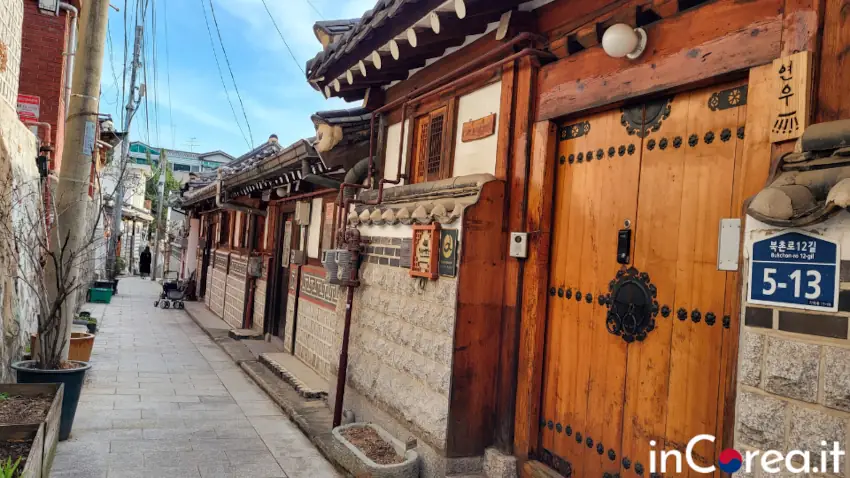
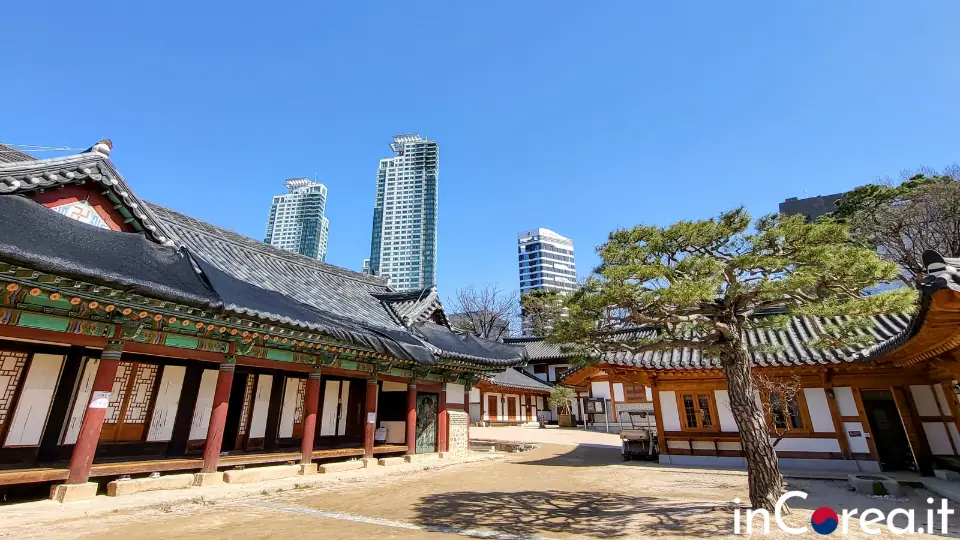
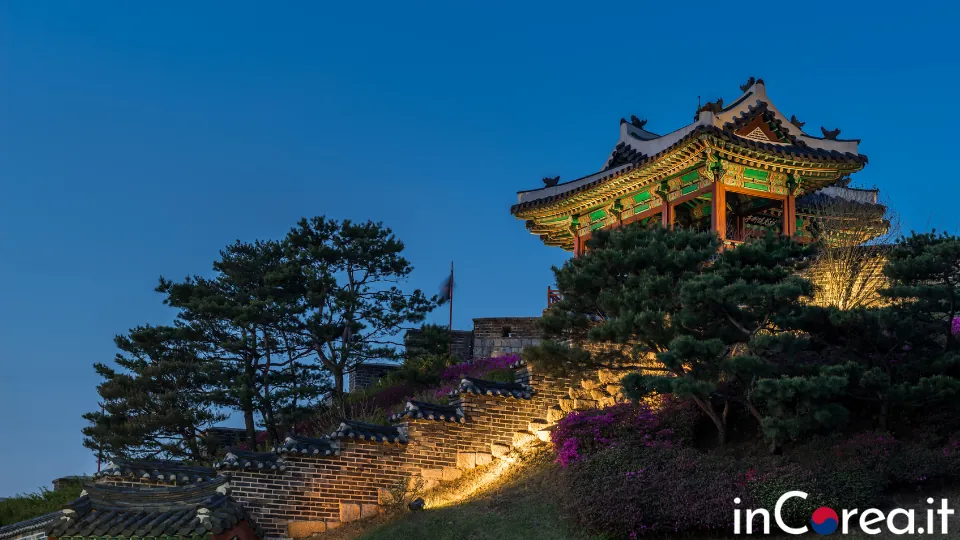
The Bukchon Hanok Village is an area of Seoul that has remained virtually unchanged since ancient times. It is home to around 900 hanok, traditional Korean houses, which have now become guesthouses (so-called hanok stays), restaurants, cafes and art galleries. Learn about the history, the best hanok stays and guided tours.
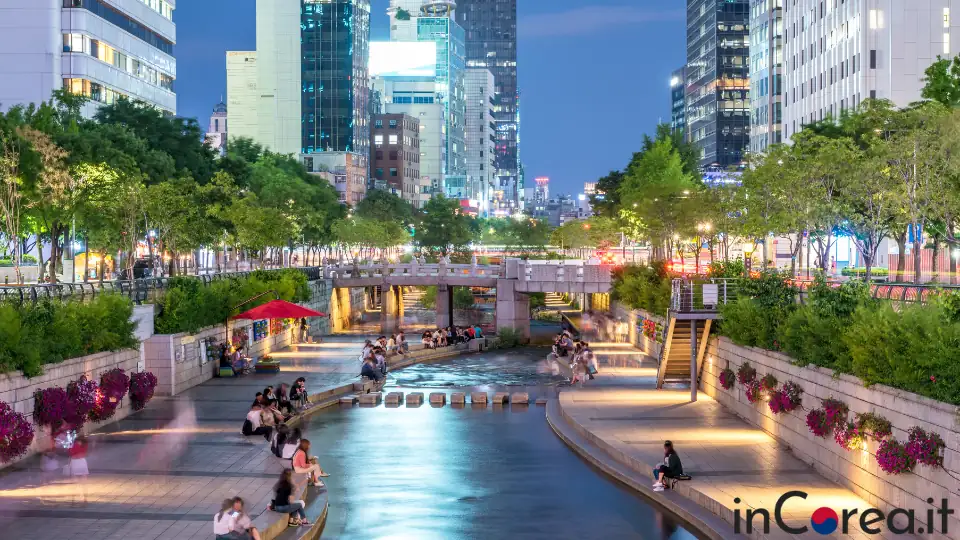
The Cheonggyecheon stream is a waterway in Seoul that is the result of a major urban renewal project. This stream, which was very important to the city during the Joseon era, was covered by an expressway during Korea's rapid industrialization. In 2005, the canal was restored and transformed into an oasis that runs through the city center.
The Bongeunsa Temple is one of the most important Buddhist temples in South Korea. Located in Gangnam, near COEX Mall, this temple is also part of the Templestay program, a cultural program that allows visitors to experience the daily life of a Buddhist monk.
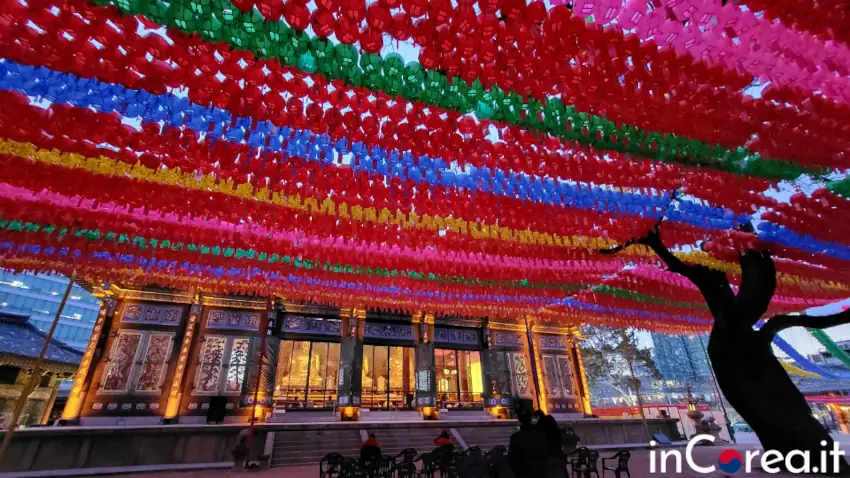
The Jogyesa Temple is the main landmark of the Jogye Order of Korean Buddhism and one of the most important temples in the country. The famous Lotus Lantern Festival, held on Buddha’s birthday, culminates here.
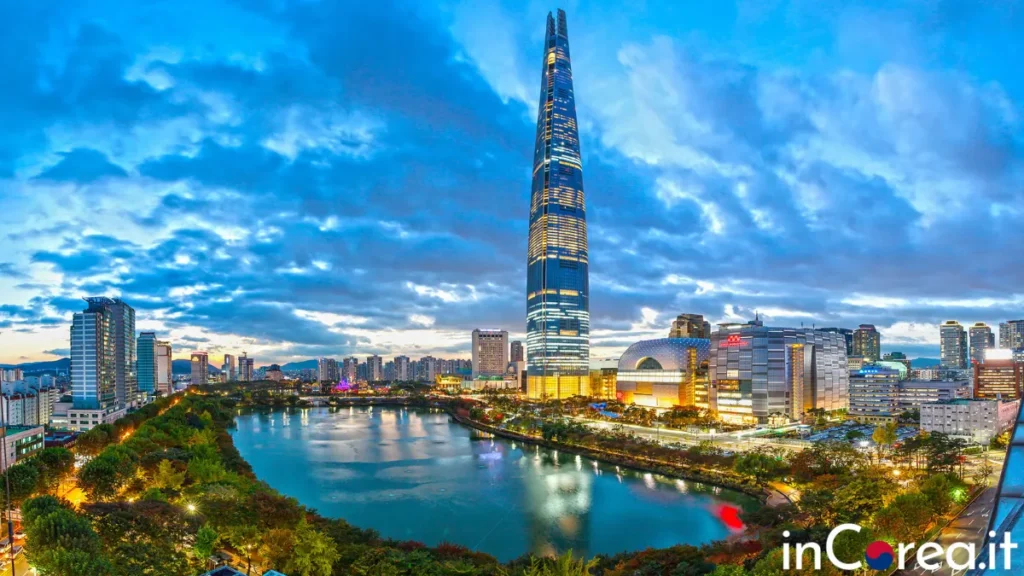
The Lotte World Tower is the sixth tallest skyscraper in the world and one of Seoul’s most iconic landmarks. Inside, it’s like a vertical city, with shops, restaurants, a luxury hotel, and the Seoul Sky observatory offering breathtaking panoramic views. Our guide includes a link to purchase discounted tickets in advance.
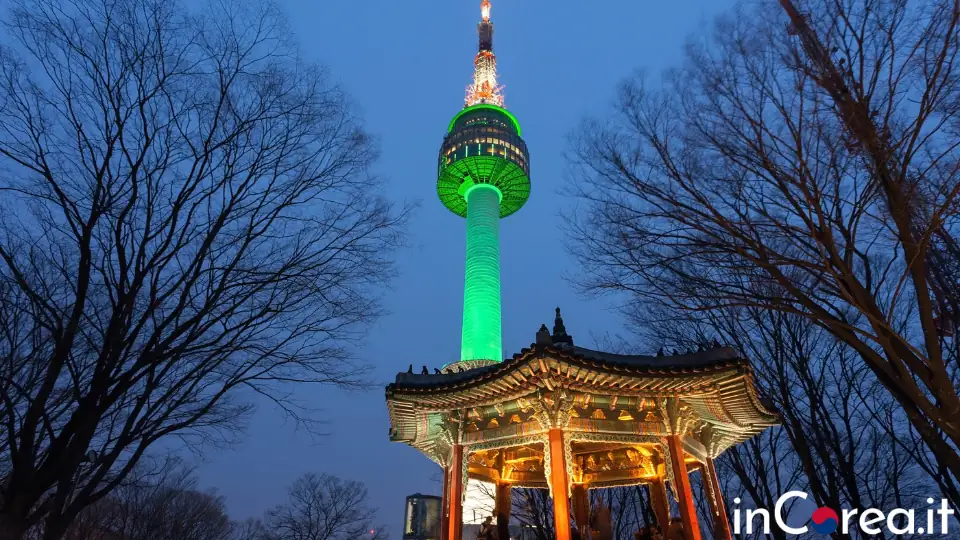
The Namsan Seoul Tower is one of the most recognizable landmarks in Seoul and a must-visit observation point. Reach the summit of Mount Namsan by bus or the Namsan Cable Car, and enjoy sweeping panoramic views of the city skyline.
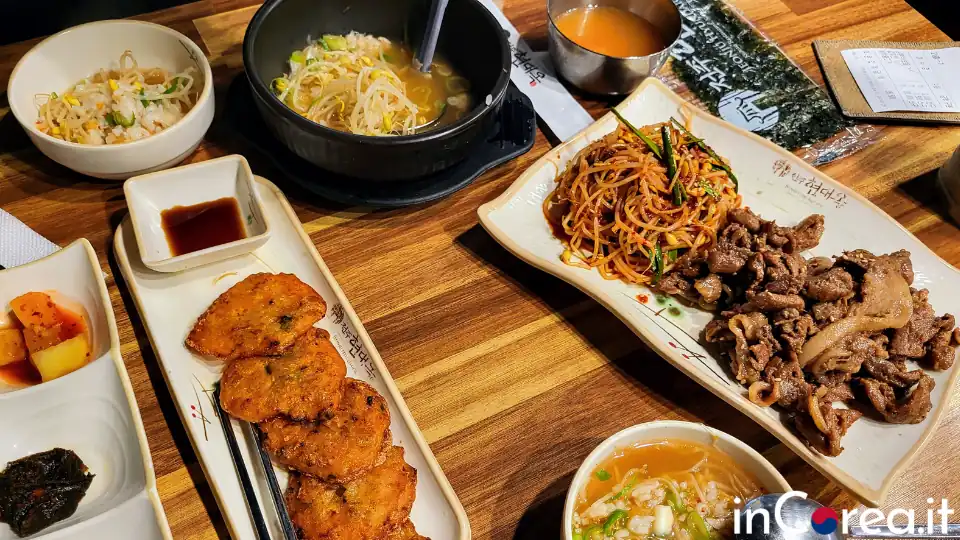
The food guide on where to eat in Seoul features a curated selection of the best restaurants and eateries in South Korea’s capital. In the article, you’ll find a list of dining spots and food courts organized by area, complete with details on how to get there.
If you’re spending several days in Seoul and are looking to take a day trip, this article covers the best excursions you can enjoy within a day from the South Korean capital.
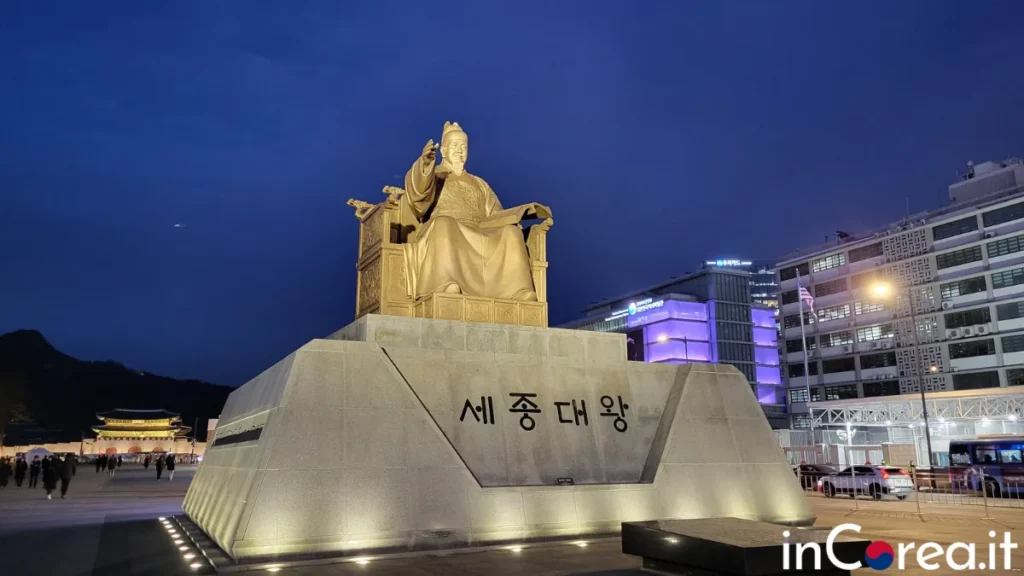
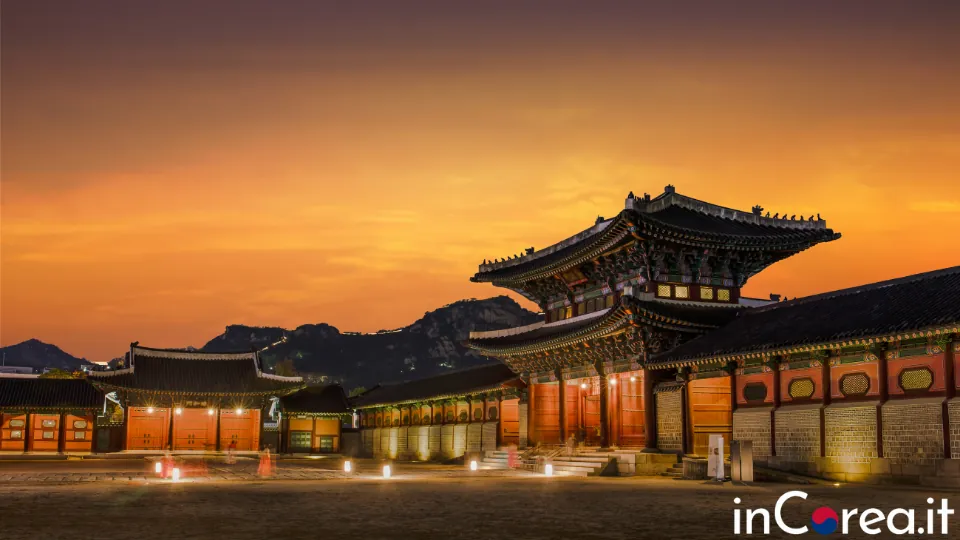
Gyeongbokgung Palace is the largest and most important royal palace in South Korea. In this guide, you’ll learn about its history, how to buy tickets, guided tours, and opening hours.
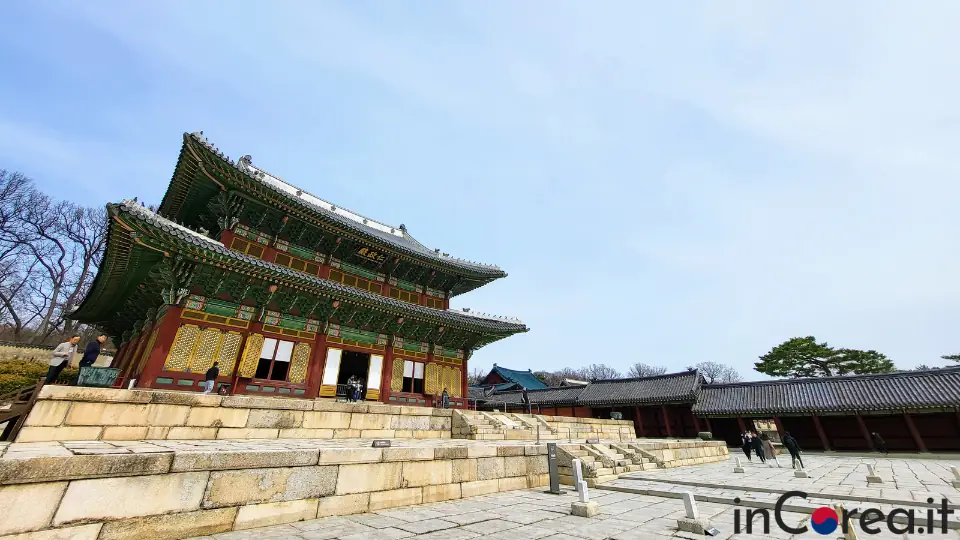
Changdeokgung Palace is the second largest royal palace after Gyeongbokgung. Unlike other royal palaces in Seoul, it was designed to blend perfectly with its natural surroundings, with a layout that reflects this principle.
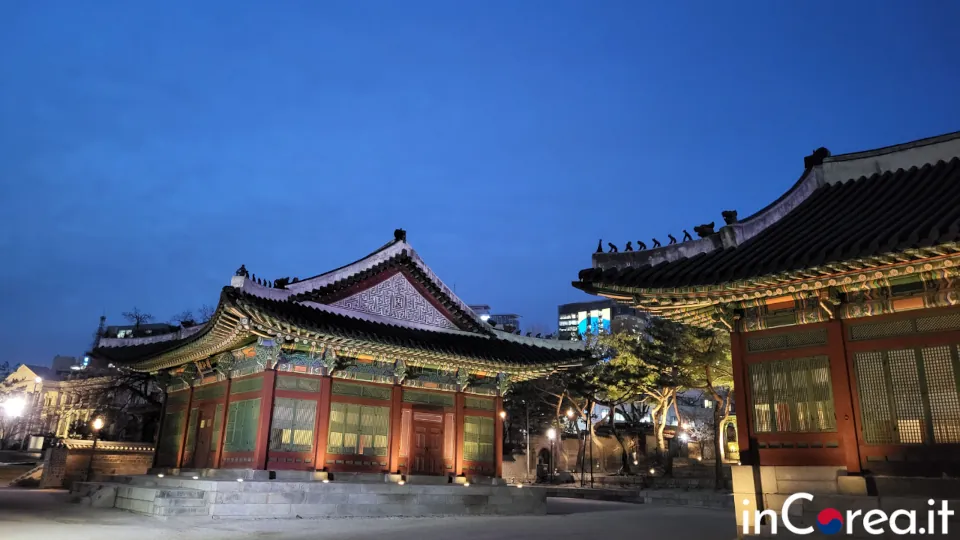
Deoksugung Palace is the smallest of Seoul’s five royal palaces. In addition to its size, it is unique for its Western-style buildings within the grounds. Don’t miss the royal changing of the guard ceremony.
Changgyeonggung Palace has a more compact layout and a simpler design compared to Seoul’s other royal palaces. It is directly connected to Changdeokgung Palace, making it feel almost like a single complex.
Getting around Seoul
You will be happy to know that the Seoul transportation system is one of the best in the world. After just a few hours of getting your bearings, using the app Naver Maps, you'll see how convenient and practical it is to use public transportation in Seoul, especially the subway. Not only is everything spotlessly clean, the subway trains and buses are always on time. Despite this level of efficiency, you’ll be surprised to learn that getting around Seoul is very inexpensive and that by following our tips you can save even more money.
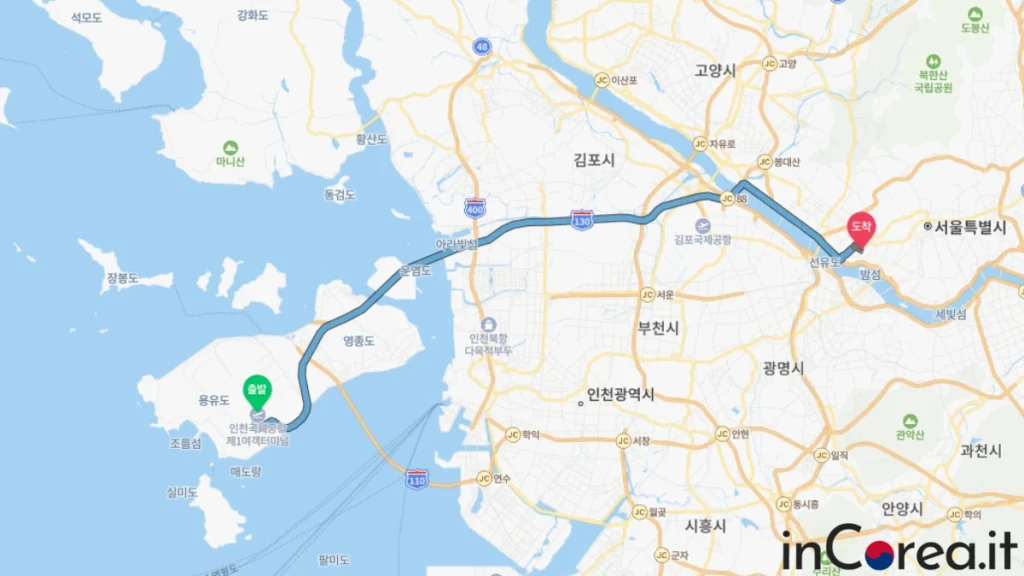
Need to get from Incheon Airport to Seoul, or vice versa?This guide covers the best transfer options, including trains, buses, and taxis, to help you choose the most convenient and affordable way to travel.
We've detected you might be speaking a different language. Do you want to change to:

 Italiano
  English