
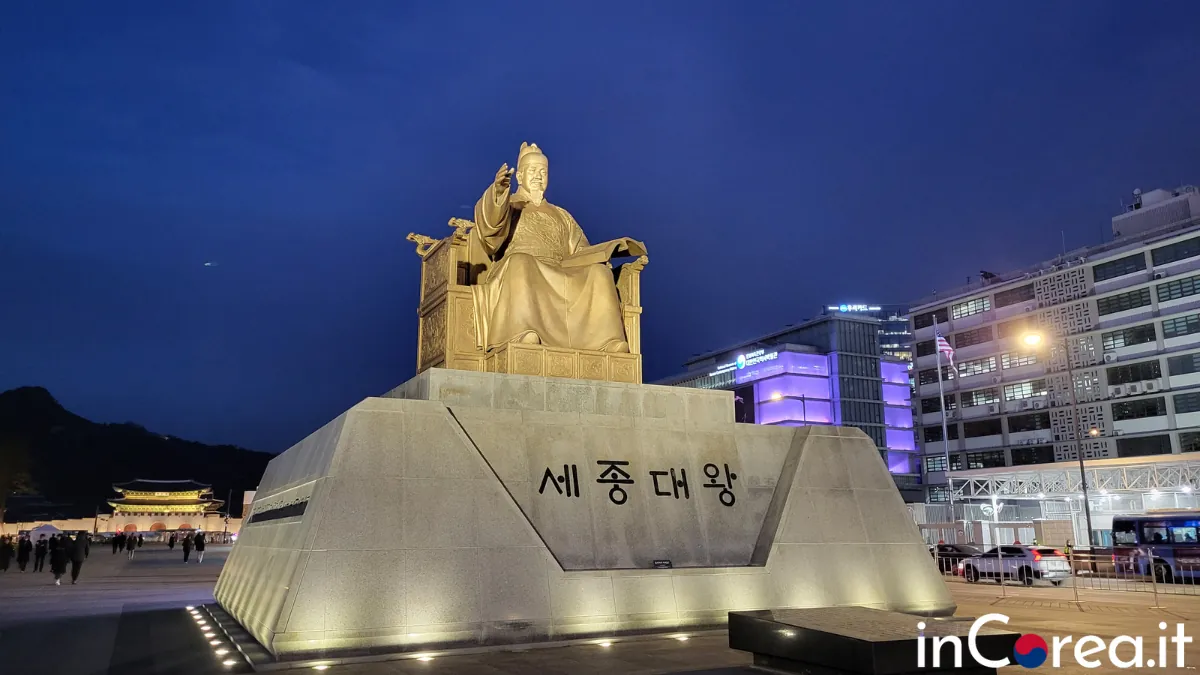
Seoul, the vibrant capital of South Korea, is a fascinating city where centuries-old traditions meet the cutting-edge modernity of a tech-driven metropolis. With countless attractions, landmarks, neighborhoods, and districts to discover, choosing what to see can feel overwhelming. In this article, you’ll find my curated list of the top 10 must-see attractions in Seoul that every traveler should experience. Whether you’re passionate about history, culture, food, or modern city life, the South Korean capital offers something for everyone. All photos, except the one of Lotte World Tower, were taken by me.
Scattered throughout this article, you’ll find useful buttons for booking guided tours, evening and nighttime experiences, tickets, and discounts. For some attractions, these services are offered by our trusted partner Trazy.com, a go-to platform for booking unique experiences in Korea. I’ve carefully selected tours that allow you to discover special places with a local guide, so you can enjoy a more authentic and enriching experience. I also recommend staying in hotels located near the city’s main attractions.
Check out my article on where to stay in Seoul for recommendations on the best neighborhoods and hotels. Now, let’s dive into the must-see attractions in Seoul!
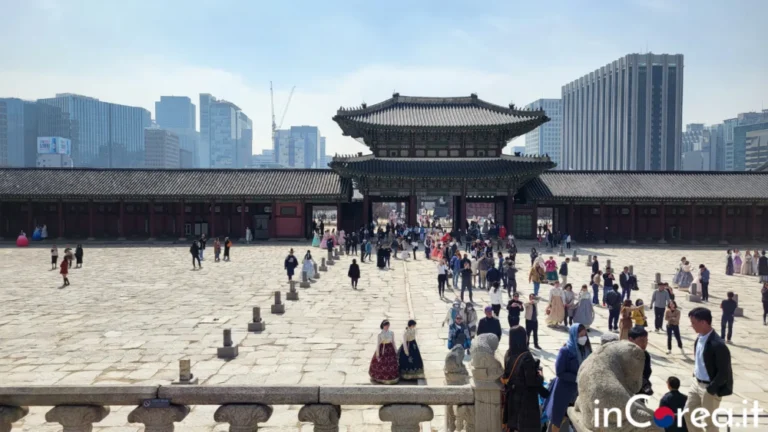
When asked "What to see in Seoul?", the first answer is definitely Gyeongbokgung Palace. Built in 1395, it is one of Korea's most important historical landmarks. It is the largest royal palace in the city and will immerse you in the country's rich history. Explore the majestic buildings, stroll through the beautiful gardens, and witness the spectacle of the changing of the guard ceremony. Inside, I recommend visiting the Hyangwonjeong Pavilion and also visit the National Folk Museum of Korea, located right next door, to immerse yourself in a journey from ancient Korea to the present day. Also see the changing of the royal guard every day at 10:00 a.m. or 2:00 p.m. (always refer to the official website for updated times).
Admission fee: 3,000 won - Free for under 18, over 65 and those wearing traditional Hanbok dress. For useful info and to know the opening hours, visit the official website. To fully enjoy the experience I recommend booking a guided tour (in English) that will allow you to relive history thanks to a very knowledgeable local guide.
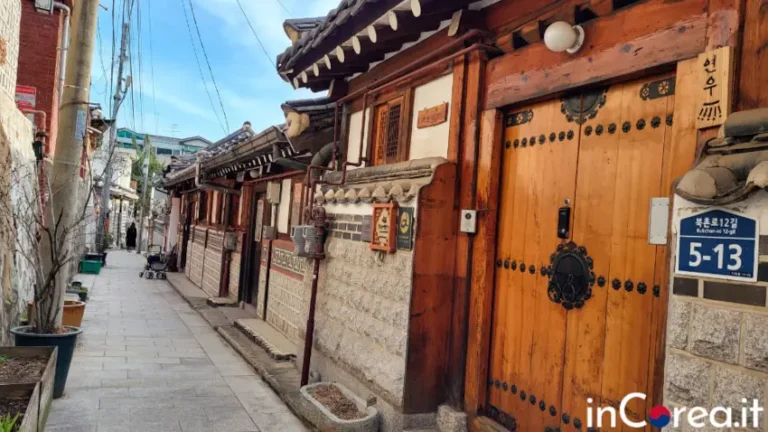
The Bukchon Hanok Village in Seoul is one of the city's most historic and picturesque neighborhoods. This charming neighborhood is a dip into the past, a place where you can immerse yourself in traditional Korean culture and architecture. It has deep roots in Seoul's history. Its origin dates back to the Joseon Dynasty (1392-1910), when the area was chosen as an aristocratic and noble residence. The neighborhood was characterized by traditional Hanok houses, built in the traditional Korean architectural style. It has undergone several transformations over the years. In the 1990s, a redevelopment project brought the area back to its historical roots, restoring the old houses and promoting the preservation of traditional Korean culture. Today, Bukchon Hanok Village has become one of Seoul's main tourist attractions. The neighborhood's cobblestone streets are dotted with more than 900 perfectly preserved Hanok houses.
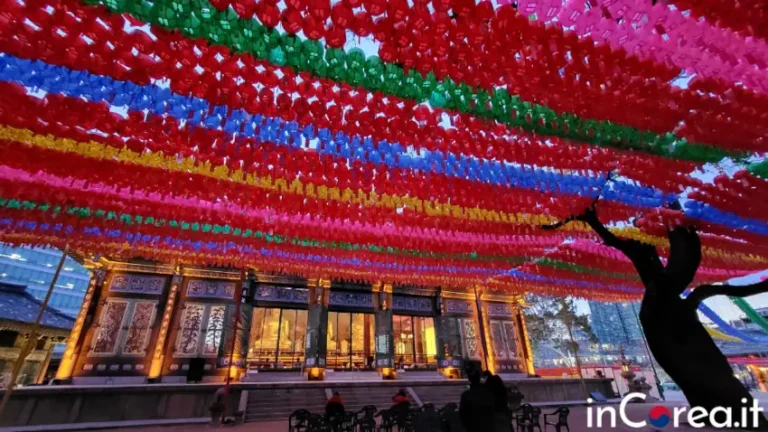
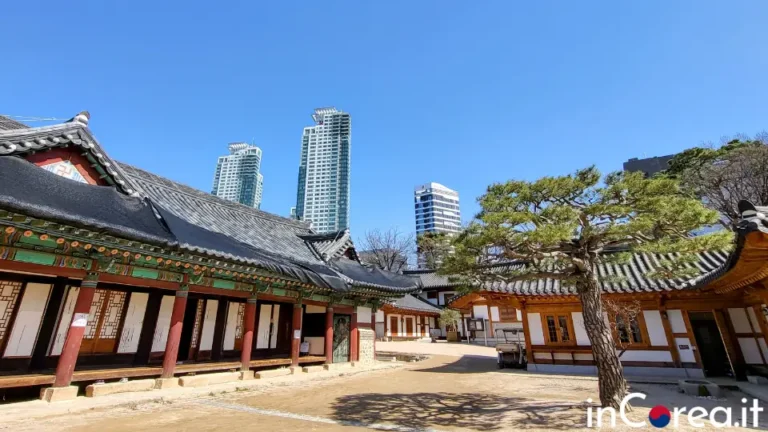
Jogyesa temple in Seoul is one of the city’s most important Buddhist temples and a must-see for anyone interested in spirituality and tranquility. Located in the heart of downtown, the temple welcomes visitors with its impressive architecture and serene atmosphere. Founded in 1395 during the Joseon Dynasty, Jogyesa Temple serves as a major center for Buddhist teachings and practice. One of its most distinctive features is the centuries-old pine tree in the central courtyard, which becomes even more striking during Buddhist celebrations such as the Lotus Lantern Festival, when it is decorated with colorful lanterns. Visitors may also witness Buddhist ceremonies or meditation sessions, making the experience both authentic and unforgettable. The temple’s traditional Korean architecture, with its vibrant colors and intricate details, offers stunning views and perfectly blends spirituality with aesthetics.
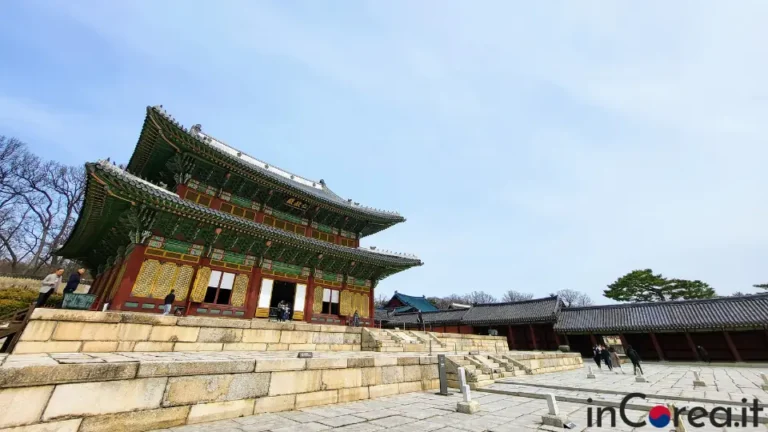
Deoksugung Palace is an architectural and historical gem well worth exploring. Originally built in 1592 during the Joseon Dynasty, Deoksugung stands out for its unique blend of traditional Korean and Western architectural styles, and for its unusual urban location, surrounded by modern skyscrapers. Visitors can admire its most notable buildings, including Junghwajeon Hall (the Main Throne Hall), Jeukjodang Hall (the State Hall), and Daejojeon Hall (the Living Quarters). One of the most enchanting experiences is visiting Deoksugung Palace in the evening, when the palace is illuminated and its reflections shimmer in the nearby ponds. This creates a magical atmosphere, perfect for a romantic walk and for appreciating the contrast between Seoul’s royal past and modern skyline.
Admission: 1,000 won (500 won for children and teens) – Free for under 6, over 65, and Hanbok wearers. It is highly recommended to visit Deoksugung Palace with a local guide. Use the links below to book a guided tour of Seoul’s palaces at discounted prices.
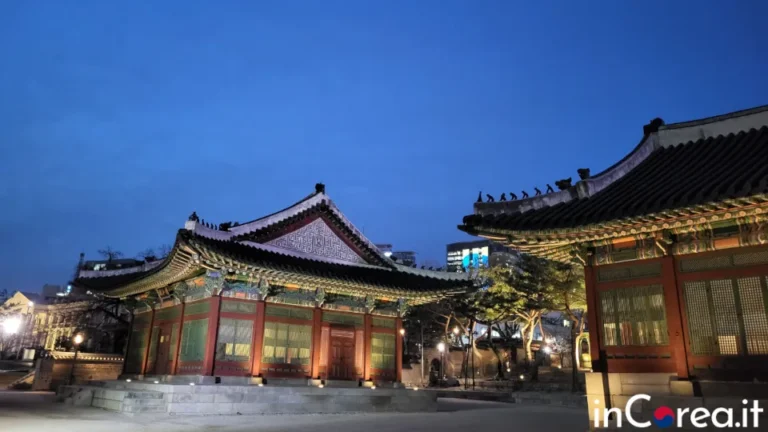
What to see in Seoul? Definitely Bongeunsa Temple, an important Buddhist temple located in Samseong-dong, Gangnam. Founded in 794 during the reign of King Wonseong, this temple has a history spanning more than a thousand years and remains a place filled with spirituality. Visitors are welcomed by an imposing Buddha statue over 20 meters tall, symbolizing the majesty and serenity of the site. By exploring Bongeunsa Temple, you can immerse yourself in Korean Buddhist culture and traditions. Right across the street is Coex Mall Seoul, the largest underground shopping mall in Asia. One of its most famous attractions is the Starfield Library, a breathtaking library with shelves so tall they seem to disappear into the ceiling. It’s the perfect place to relax or read a book. Coex Mall also offers countless dining options, including areas dedicated to traditional Korean restaurants—an ideal spot for lunch after visiting the temple. Finally, don’t miss the Coex Aquarium, home to over 40,000 marine creatures. You can easily book your Coex Aquarium tickets using the button below. So, if you are planning a day of cultural exploration and shopping, combining a visit to Bongeunsa Temple with a tour of Coex Mall is a fantastic idea.
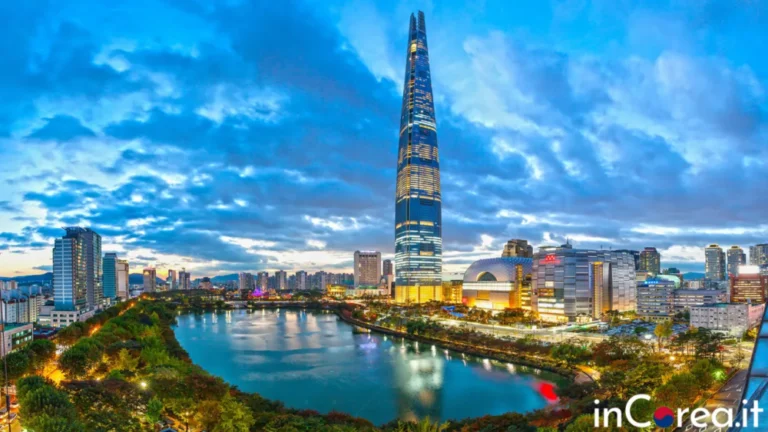
The Lotte World Tower is an extraordinary architectural landmark rising high above the Seoul skyline. Standing at 555 meters tall, it is the tallest skyscraper in South Korea and the sixth tallest building in the world, making it one of Seoul’s most iconic modern attractions. In addition to offering breathtaking panoramic views of the city (even riding one of its elevators is an experience on its own), the Lotte World Tower is also a major entertainment and shopping destination, as well as home to one of the most luxurious hotels in Korea, the Signiel Seoul. Majestic like an urban lighthouse, the tower is located just steps away from Seokchon Lake. During cherry blossom season, Seokchon Lake transforms into a stunning paradise filled with blooming trees and beautiful spring colors. It is one of the best places in Seoul for a relaxing walk and to enjoy nature in the middle of the city. Personally, I love visiting the area in the evening. Near the Lotte World Tower and Seokchon Lake, you’ll also find the Lotte World Mall, a massive shopping complex offering fashion stores, restaurants, cafés, and entertainment options. So, if you are looking for an unforgettable day in Seoul that includes incredible skyline views from Lotte World Tower, a romantic walk around Seokchon Lake, and shopping at Lotte World Mall, this area will definitely not disappoint. I highly recommend visiting the tower at sunset so you can enjoy both the daytime and nighttime views of Seoul.
Seoul Sky entrance fee: 29,000 won (ages 13+), 23,000 won (ages 3–13), 50,000 won for Fast Pass. To save money and avoid currency exchange fees, I recommend booking discounted tickets online in advance via the button below.
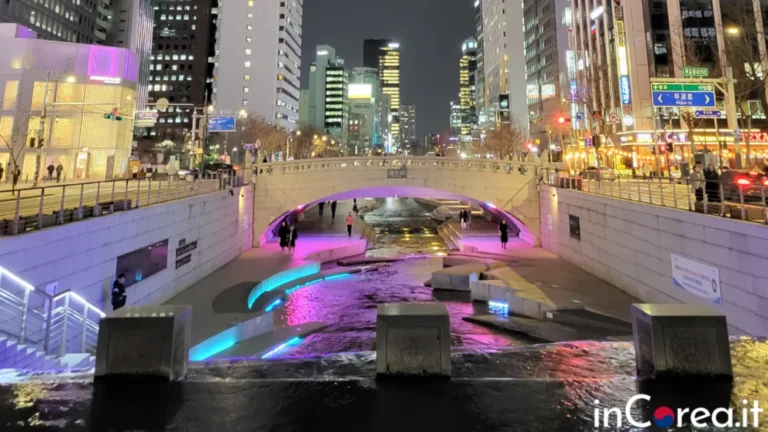
The Cheonggyecheon Stream is an urban oasis in the heart of Seoul and one of my favorite attractions in the city. This beautiful stream, stretching for over 10 kilometers, was restored and transformed into a pedestrian-friendly area, creating a peaceful and picturesque space in the middle of the metropolis. Walking along the Cheonggyecheon Stream allows visitors to enjoy a relaxing and refreshing atmosphere. During the day, the area is lined with trees, flowers, and the soothing sound of flowing water. However, it is at sunset that Cheonggyecheon reveals its true magic. As the sun goes down, the evening lights illuminate the stream, creating a romantic and atmospheric setting. Walking along Cheonggyecheon at night is an unforgettable experience that allows visitors to fully appreciate the beauty of the area in a charming and peaceful atmosphere.
In addition, between November and December, the area comes alive with the Seoul Lantern Festival. During this period, thousands of colorful lanterns light up the stream, creating a magical and enchanting spectacle. The lantern festival is a unique opportunity to immerse yourself in Korean culture and admire traditional illuminated artworks reflected on the waters of Cheonggyecheon.
The Cheonggyecheon Stream is also included in a fantastic evening/night guided tour that passes through Gwangjang Market, Changgyeonggung Palace, Cheonggyecheon Stream, and Naksan Park. I highly recommend this experience. The tour can start either from Hongik University Station (in Hongdae) or from Myeongdong. You can find all the details and pricing in the link below.
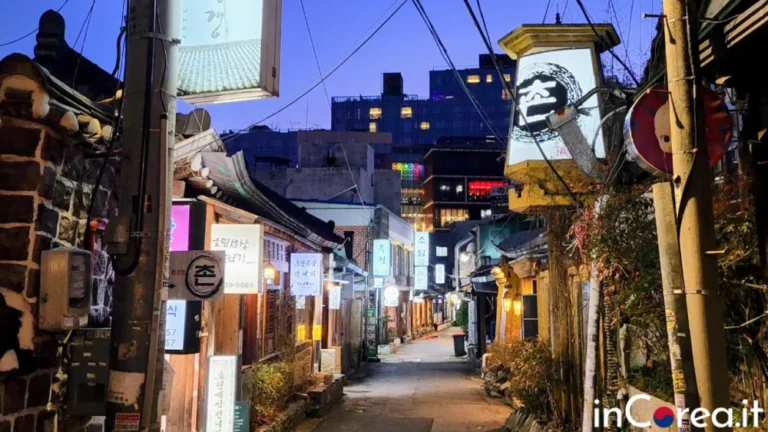
Insadong and Ikseondong Hanok Village are two must-see areas for anyone who wants to experience Seoul's traditional culture, and they are located very close to each other. Insadong is a charming, lively, mostly pedestrian area famous for its art shops, galleries, theaters, and traditional teahouses. Walking along Insadong’s streets, visitors can browse a wide range of traditional souvenirs such as ceramics, textiles, and handcrafted art pieces (this is where you’ll probably spend most of your souvenir budget). It’s also a great place to discover Korean handicrafts and watch traditional dance or music performances. In the heart of Insadong, don’t miss Ssamziegil, a unique multi-story shopping complex filled with craft shops and indie boutiques, many run by young artisans who create their products directly on site. I also recommend getting lost in the side alleys of Insadong — For example in the Insadong 14-gil and nearby narrow streets. — where you’ll find plenty of traditional Korean restaurants you’ll want to return to night after night. Just a short walk away, Ikseondong Hanok Village offers a fascinating time-travel experience. This area is characterized by narrow cobblestone streets and traditional hanok-style houses. Many of the historic homes have been transformed into cozy cafés, boutique shops, and restaurants, creating a picturesque and nostalgic atmosphere. Visitors can enjoy a leisurely stroll, sip traditional Korean tea, or try a local delicacy in this unique setting. If you’d like to have an authentic experience with a local guide, consider booking a "food tour" in Insadong. This way, you can discover the history of the neighborhood while tasting its delicious specialties.
Even though this list could never truly be enough, in this article I wanted to include a top 10 list of things to do in Seoul. Beyond the attractions themselves, I hope you’ll also find the guided tours and unique experiences featured throughout the article helpful. Visiting these incredible landmarks and attractions with a local guide will allow you to experience them in the best possible way.
 Italiano Italiano Italiano
  English Italiano Italiano Italiano English