The best time to visit South Korea is in the spring (late March to May) or in the autumn (mid-September to mid-November). These seasons offer the most comfortable weather, with temperatures ranging from 10°C to 30°C, moderate rainfall, and the highest number of festivals and cultural events. My favorite months to travel to South Korea are March, April, and October.
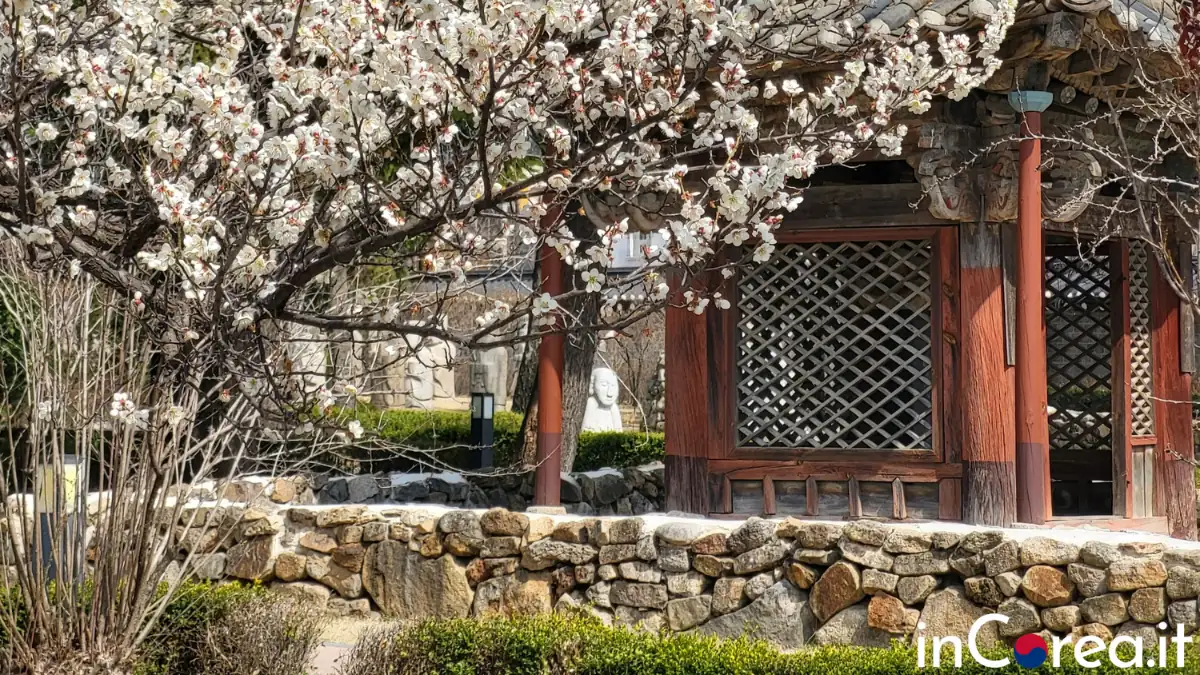
In early April, the cherry blossoms are in full bloom, and the weather becomes warm enough to leave your heavy jacket, like a down coat or windbreaker, at home.
October is equally stunning, with vibrant autumn foliage spreading across the country while temperatures remain pleasant. When planning a trip to Korea, the season greatly influences what you can see, eat, and do.
To prepare properly, check out this complete guide on what to pack for South Korea. Along with seasonal tips, you’ll also find a comprehensive packing list, useful travel advice, and recommended products.
For those planning ahead, autumn and winter tours for 2025/2026 are now available through our partner Trazy.com. Whether you want to enjoy the breathtaking autumn foliage near Seoul and Busan, or go skiing in Korea’s winter resorts, simply click the button below to discover their amazing guided tours.
The climate in Korea is fairly predictable from year to year and is divided into five distinct seasons. In addition to spring, summer, fall, and winter, there is also a rainy season, which typically starts in mid-June and lasts until mid-July. While it does not rain continuously, it can rain for several consecutive days during this period.
If you travel to Korea during the rainy season, you should plan plenty of indoor activities and remain flexible with your schedule. Fortunately, there is always something to do in Korea, regardless of the season.
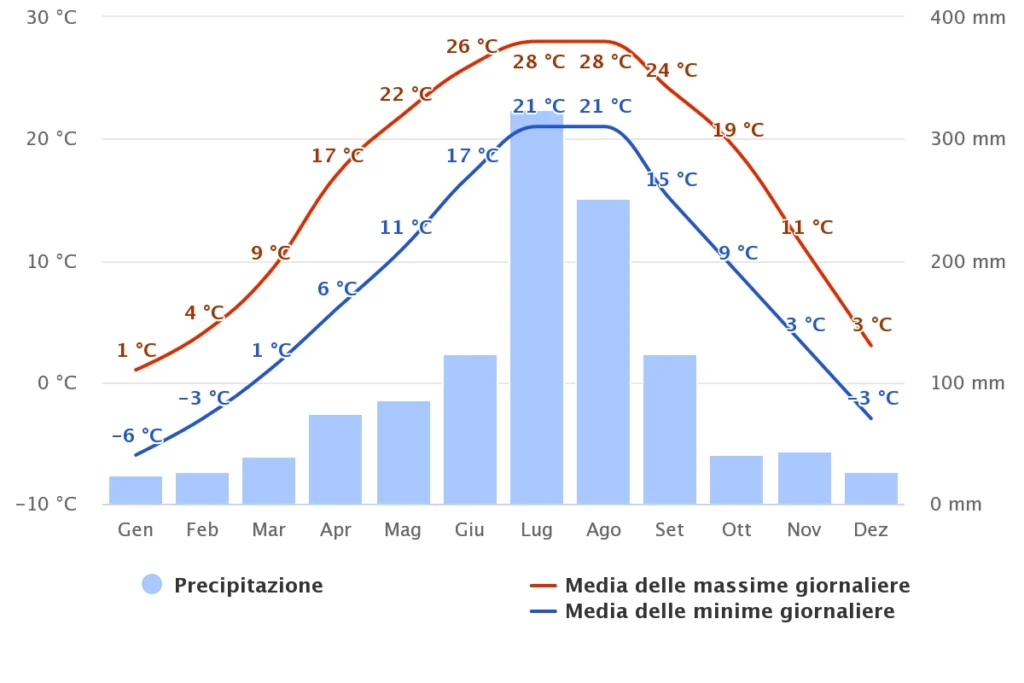
Below is a chart showing the average temperatures and precipitation levels in Seoul throughout the year. In addition to these averages, remember that in summer temperatures can rise above 35°C, while in winter they can easily drop to -10°C. Keep these variations in mind when deciding the best time to visit Korea and when preparing your packing list.
I personally recommend visiting Korea in spring or fall — especially in March, April, October, and November. During these months, the weather is mild, nature is at its best, and it is more pleasant to explore cities and outdoor attractions. In summer, traveling in Korea can be tiring due to the heat and humidity, but much depends on your tolerance to high temperatures. If summer is the only period available for your vacation, don’t let the weather stop you — Korea is worth visiting in any season.
If you enjoy the festive atmosphere of Christmas and the cold doesn’t bother you, December is also a wonderful month to travel. The key is to come prepared with the right clothing in your suitcase.
What period is best to avoid when traveling to Korea? The only time I would personally avoid is the early summer (June to early July), as this is the rainy season. As shown in the chart above, rainfall can be heavy and prolonged. While Korea in the rain can be fascinating, it will likely affect your plans and limit outdoor activities.
It is also important to consider the specific region of your trip. For example, Busan and other southern areas have milder winters compared to Seoul and the northern regions. As a general rule, always check the weather forecast shortly before departure to know what conditions to expect on arrival.